






Benefits of Using Bell Boots for Horses
Bell boots are essential for horse care. They offer protection and prevent injuries to a horse's hooves.
These boots are a staple in equestrian gear. They are designed to shield the horse's front hooves from being struck by the hind feet.
This protection is crucial for horses prone to overreaching injuries. Such injuries can lead to hoof damage or even shoe loss.
Rubber bell boots for horses are a popular choice. They are durable, flexible, and easy to maintain.
Bell boots come in various materials, including neoprene and leather. Each type offers unique benefits, catering to different needs and preferences.
Understanding the benefits of bell boots can enhance your horse's well-being. This guide will explore their advantages and help you choose the right pair for your horse.
What Are Bell Boots?
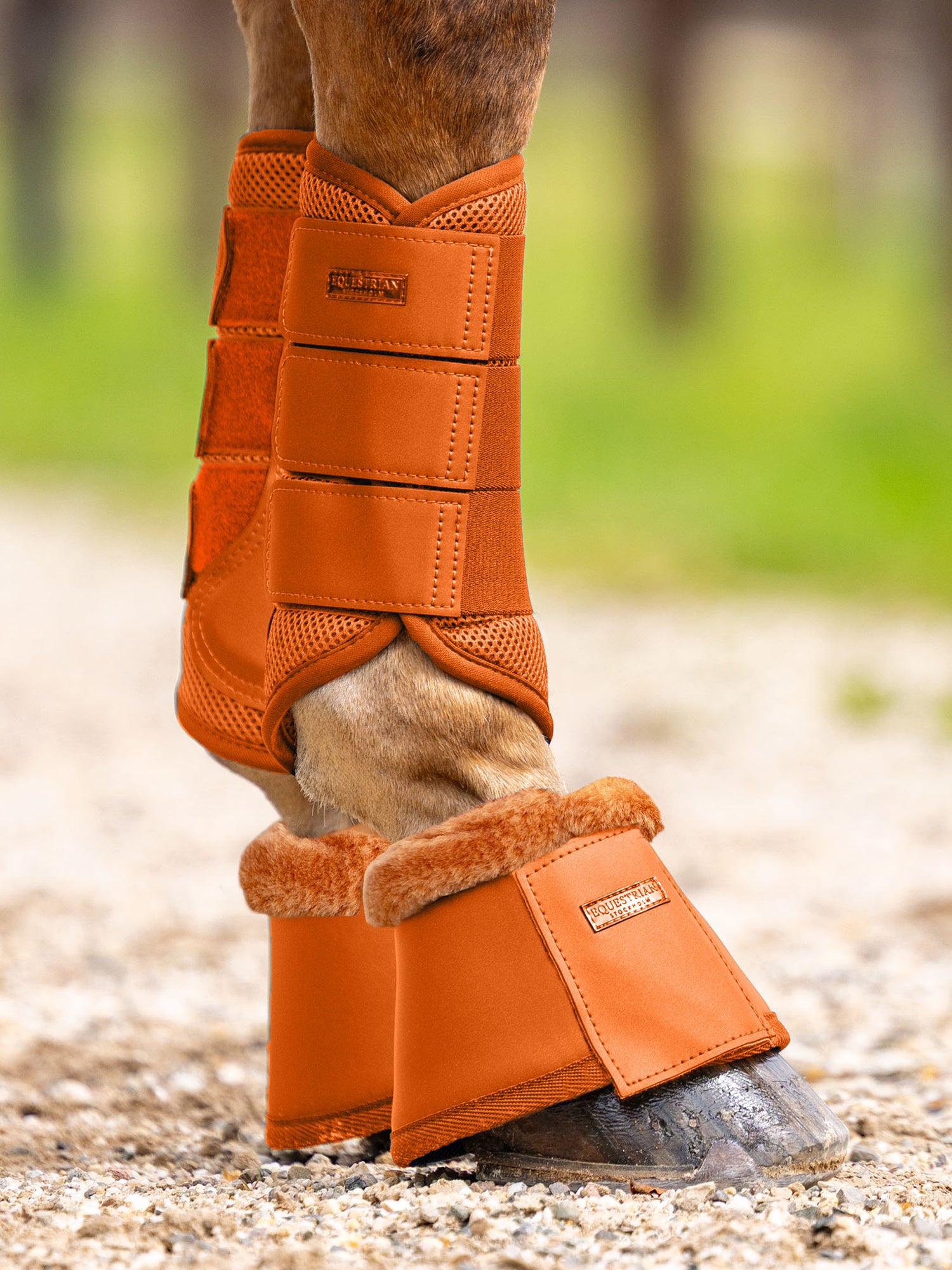
Bell boots are a type of protective gear worn on a horse's front hooves. Named for their distinctive bell shape, they cover the entire hoof.
Their primary function is to prevent injuries from overreaching. This occurs when a horse's hind foot strikes the back of the front hoof.
Made from various materials, bell boots cater to different needs. The most common choices are rubber, neoprene, and leather.
Key Features of Bell Boots:
- Shape: Resembles a bell, covering the whole hoof.
- Material options: Rubber, neoprene, leather.
- Ease of use: Simple to put on and remove.
- Protection: Guards against hoof damage and shoe loss.
Rubber bell boots are flexible and durable, making them ideal for everyday use. Leather ones offer a classic appearance, often favored for shows. Meanwhile, neoprene provides additional cushioning, reducing impact during movement. In essence, bell boots are a versatile and necessary piece of equestrian equipment.
Types of Bell Boots for Horses
Bell boots come in a variety of materials, each offering unique benefits. Understanding these differences helps in choosing the right fit for your horse.
Rubber Bell Boots
Rubber bell boots are a popular choice due to their durability and flexibility. They are easy to clean and ideal for daily use. They're also affordable, making them a favorite among horse owners.
Neoprene Bell Boots
Neoprene options provide extra cushioning and shock absorption. This feature makes them excellent for horses involved in jumping or intense activities. They offer a snug fit, reducing the risk of slipping during exercise.
Leather Bell Boots
Leather bell boots present a traditional look, often used in show settings. They are known for their elegance and longevity. However, they require more maintenance to keep them in good condition.
Key Types:
- Rubber bell boots: Durable and cost-effective.
- Neoprene bell boots: Cushioned for shock absorption.
- Leather bell boots: Classic appearance for shows.
Specialty Bell Boots
Some bell boots feature added functionalities like fleece lining for comfort or reflective strips for visibility. These variations cater to specific needs, providing options for diverse equestrian activities. When selecting bell boots, consider the specific needs of your horse to ensure optimal protection and performance.
Key Benefits of Bell Boots
Bell boots offer a multitude of advantages, serving as an essential protective gear for horses. One of their primary benefits is preventing overreaching injuries. This occurs when a horse's hind foot strikes the front hoof.
Protection against hoof damage and shoe loss is another significant advantage. Shoes are expensive, and losing them can disrupt a horse's performance. Bell boots provide a barrier, minimizing this risk.
Protective Benefits
- Injury Prevention: Shields against overreaching injuries.
- Hoof Integrity: Guards against hoof damage and shoe loss.
They are particularly helpful for horses prone to stepping on their own feet. This can happen during riding, turnout, or transport. Their use helps to maintain hoof health by preventing cracks and chips.
During intense activities like jumping or cross-country, bell boots help prevent injuries. They offer extra security, allowing horses to perform confidently. This is crucial for competitive settings where performance is paramount.
Versatility and Comfort
- All-Occasions Use: Suitable for riding, turnout, and transport.
- Extended Shoe Life: Boosts the longevity of horse shoes.
Properly fitted bell boots are lightweight, ensuring they do not hinder movement. This means horses remain comfortable, even during extended use. Adjustable closures provide a secure fit, reducing rubs and chafing.
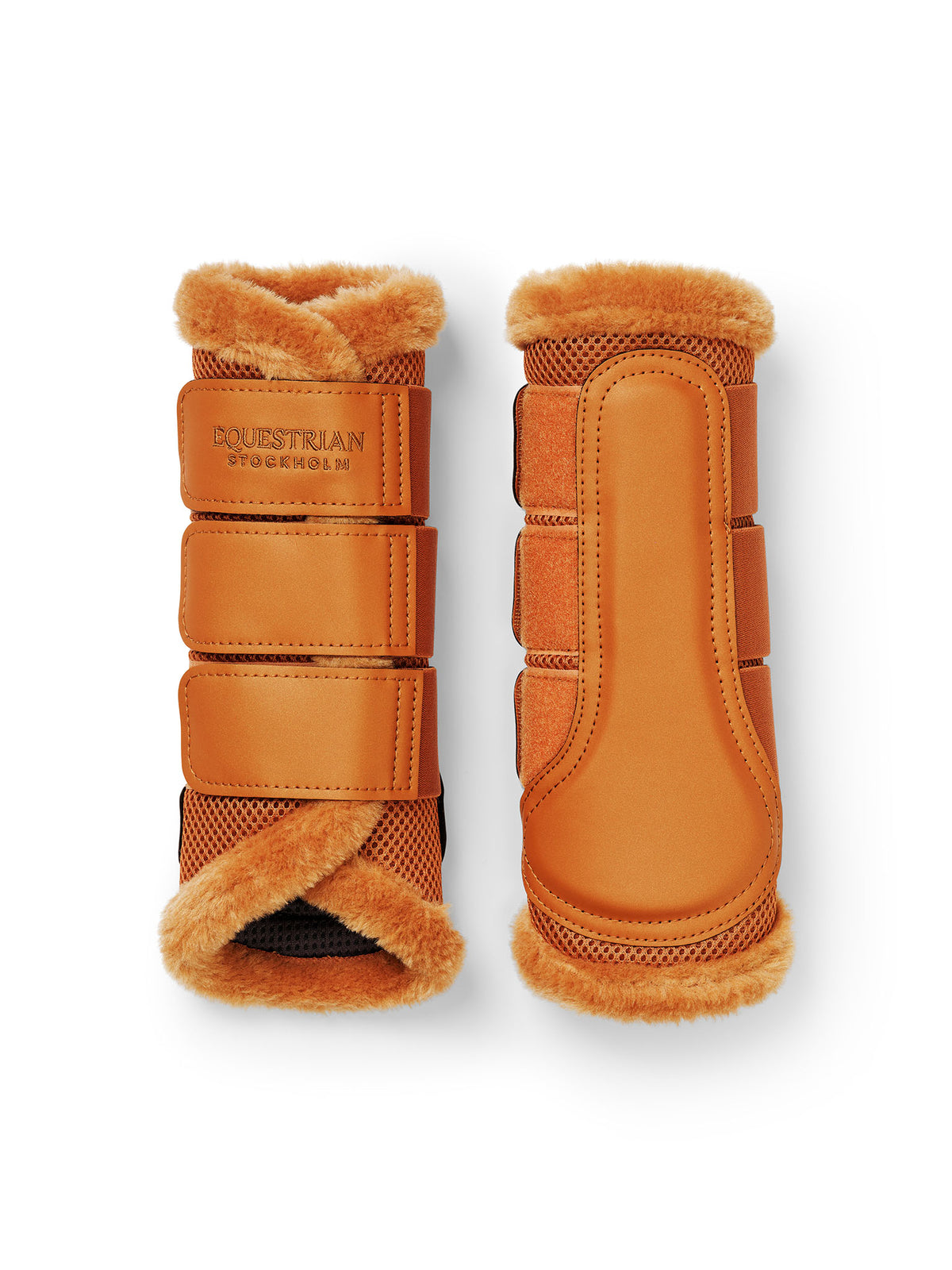
Finally, they can be used in conjunction with other protective gear like splint boots. This combination provides comprehensive leg protection, enhancing overall safety. Given these benefits, bell boots are a wise investment for any horse owner.
When Should You Use Bell Boots?
Knowing when to use bell boots is crucial for maximizing their benefits. They are particularly important during activities that increase the risk of injury. This includes jumping, trail riding, and any situation where the horse might overreach.
Bell boots are also vital during turnout. Horses often play and move unpredictably when outside. This increases the chances of accidental hoof strikes, making protective gear essential.
Ideal Situations for Bell Boots
- Jumping and Cross-Country: During high-intensity activities.
- Turnout Time: When horses are at play or leisurely walking.
Transporting horses is another scenario where bell boots prove useful. They can prevent injuries during loading and unloading. The risk of hitting a hard surface in trailers is reduced.
Additionally, horses with corrective shoeing benefit from bell boots. They shield therapeutic shoes or hoof pads, essential for horses undergoing treatment. Using bell boots as a preventative measure can also help young or inexperienced horses gain confidence.
How to Choose the Right Bell Boots
Selecting the right bell boots is key to ensuring effective hoof protection. Begin by considering your horse's specific needs. Different situations and hoof sensitivities require different types of bell boots.
Fit and comfort play critical roles in selection. Ill-fitting boots can cause discomfort and rub marks. It's essential to choose a pair that securely fits without being too tight.
Key Factors in Choosing Bell Boots
- Material: Consider rubber for durability, neoprene for cushioning, or leather for a classic look.
- Sizing: Ensure the boots cover the heels without hindering movement.
The activities your horse participates in should influence your choice. For example, intense activities like cross-country may require more durable options. Lightweight, flexible materials are ideal for everyday use.
Don’t overlook aesthetics. Bell boots come in various colors and styles, allowing you to match them with your equestrian gear. Ultimately, proper sizing, material, and function should guide your decision.
Proper Fit and Application Tips
Ensuring a proper fit for bell boots is crucial for their effectiveness. Ill-fitting bell boots can cause chafing and discomfort. Begin by measuring your horse's hoof size accurately.
The circumference and height of the boot are vital measurements. Once purchased, try the boots on your horse in a controlled environment. Make sure they provide adequate coverage without being tight.
Steps for Correct Application
- Inspect the Boot: Check for any defects or rough edges.
- Place Over Hoof: Open any closures, position over the hoof, and ensure heel coverage.
- Adjust Closures: Secure any Velcro or buckles without over-tightening.
Observe your horse as it moves. The boots should stay in place without rotating or slipping. This ensures protection during various activities, from riding to turnout.
Care and Maintenance of Bell Boots
Regular maintenance of bell boots is essential to extend their lifespan and effectiveness. Frequent usage can lead to dirt and debris accumulation, which may cause irritation. Therefore, cleaning them regularly is a good practice.
The materials of the boots often determine the cleaning method. Rubber bell boots are particularly easy to rinse and wipe down. Meanwhile, leather variants may require special cleaners and conditioners.
Tips for Maintaining Bell Boots
- Rinse after Use: Quickly rinse or wipe off dirt post-use.
- Inspect for Wear: Check for cracks or damage regularly.
- Store Properly: Keep them dry and out of direct sunlight to prevent material degradation.
Consistent care will ensure your bell boots remain ready for action, offering ongoing protection for your horse.
Frequently Asked Questions About Bell Boots
Horse owners often have various questions about bell boots. These inquiries typically address their functionality and usage. Let's examine some common questions and answers.
One question frequently asked is: "How tight should bell boots be?" The answer is they should fit snugly without pinching. They must offer protection while allowing for movement.
Another common question is about materials. Owners ask: "Which material is best for bell boots?" Rubber bell boots are popular due to their durability. Leather or neoprene may appeal for different situations or preferences.
Popular FAQs
- Are bell boots suitable for all horses? Yes, most breeds and sizes can benefit.
- How do I know the right size? Measure your horse’s hooves and refer to size charts.
- Can bell boots prevent all injuries? They minimize risk but do not cover all injuries.
Understanding these aspects helps in choosing and using bell boots effectively.
Conclusion: Are Bell Boots Right for Your Horse?
Bell boots can be a valuable addition to your horse's protective gear. Their role in preventing hoof-related injuries and extending shoe life is significant. They offer peace of mind and enhance your horse's comfort during various activities.
Choosing the right type and fit ensures optimal protection. Whether you prefer rubber bell boots for their durability or another material for specific needs, each option has its perks. Evaluate your horse's specific requirements and daily activities before making a choice.
Ultimately, bell boots provide practical advantages for both recreational and competitive horses. They are a wise investment for any horse owner concerned about hoof health and safety. By integrating bell boots into your horse's routine, you contribute to their overall well-being, reducing injury risks and maintaining hoof integrity.