




Understanding Saddle Pad Sizes for Comfort
Choosing the right saddle pad size is crucial for your horse's comfort and performance. A well-fitted saddle pad protects the horse's back and ensures a smooth ride.
Saddle pad dimensions vary widely, influenced by the type of saddle and the horse's size. Understanding these variations is key to selecting the right fit.
A saddle pad size chart can be a helpful tool in this process. It provides guidance on the best fit for your horse.
Measuring your saddle and horse accurately is essential. This ensures the saddle pad fits well and prevents discomfort or injury.
In this guide, we'll explore how to choose the perfect saddle pad for your equine companion.
Why Saddle Pad Size Matters
A saddle pad that fits correctly is vital for your horse's health and performance. Incorrect sizing can lead to discomfort and potential injuries.
When a saddle pad is too small, it may cause pressure points. This can result in painful sores on the horse's back.
Conversely, a saddle pad that is too large can shift during rides. This movement can lead to irritation and even chafing on the horse's skin.
The right size aids in evenly distributing the rider's weight, contributing to a more balanced ride. It's also crucial for aligning the saddle properly.
Consider these reasons for choosing the correct saddle pad size:
- Prevention of pressure sores
- Maintenance of horse comfort
- Optimal weight distribution
- Proper saddle alignment
Taking the time to find a well-fitting saddle pad benefits both horse and rider, enhancing their overall riding experience.
Common Saddle Pad Sizes and Dimensions
Saddle pad sizes vary based on horse size and saddle type. Knowing these dimensions is essential for a good fit.
Pony, cob, full, and oversize are typical saddle pad sizes. Each size suits different horse builds and needs.
Pony-sized pads cater to small ponies. Cob sizes are slightly larger and fit larger ponies or smaller horses.
Full size is standard for most adult horses. Oversize pads accommodate larger breeds, ensuring proper coverage.
Here are common dimensions for these sizes:
- Pony: 18 to 21 inches
- Cob: 22 to 24 inches
- Full: 25 to 27 inches
-
Oversize: 28+ inches
Understanding these dimensions helps in selecting a pad that extends slightly beyond the saddle edges. This ensures optimal protection and functionality.
It's advisable to measure your saddle and horse before purchasing a saddle pad. Dimensions can vary across brands, so consulting a size chart is beneficial.
How to Measure for the Right Saddle Pad
Measuring for a saddle pad requires accuracy. Proper measurements ensure the pad fits well, offering comfort for your horse.
First, measure the length of your saddle from the front to back. This dictates the minimum length needed for the pad.
Next, check the width of your horse's back. This helps you choose a pad that covers the back adequately.
The drop length of the pad is another key factor. It determines how far down the pad extends on the sides of your horse.
Important measurements include:
- Saddle length from front to back.
- Width of the horse's back.
-
Drop length of the saddle pad.
Following these steps ensures the saddle pad suits both your horse and saddle. This optimal fit prevents rubbing and pressure points, enhancing comfort during rides.
Remember, measure your horse while it's standing on a flat surface. Accurate measurements are vital for fitting the right saddle pad.
Types of Saddle Pads and Their Sizing Needs
Different riding styles and saddles require specific pads. Understanding these variations helps choose the right fit for your horse's comfort.
-
All-Purpose and Jumping Pads: Versatile design caters to various equestrian activities. They generally come in standard sizes to fit most saddles.
-
Dressage Pads: These pads are longer and straighter. They accommodate the unique shape of dressage saddles, ensuring ample back coverage.
-
Western Pads: Known for their thickness and durability. These pads are designed for larger Western saddles, offering substantial support.
-
Specialty and Custom Pads: Tailored for specific needs and unique horse shapes. Custom pads provide a solution for horses requiring unique fits.
Each pad type serves a purpose based on your discipline. Choosing the right one improves your ride experience and supports your horse.
Saddle pad size must suit both the saddle and the horse. This ensures optimal performance and prevents discomfort.
All-Purpose and Jumping Pads
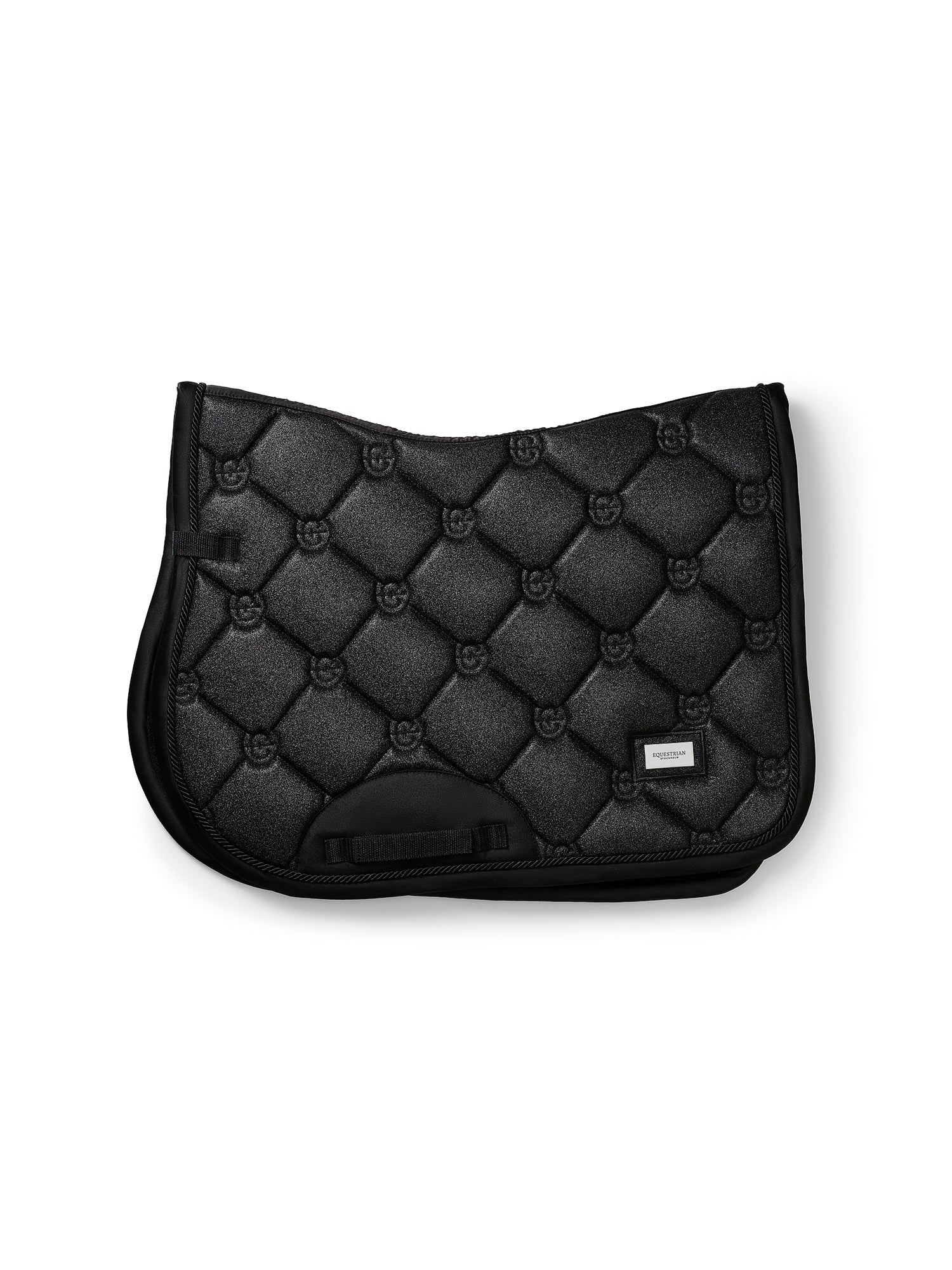
All-purpose pads, with their rounded shape, fit most saddles. They are ideal for riders engaging in varied activities.
Jumping pads offer a snug fit to prevent slipping. They provide enough padding without bulk, ensuring freedom of movement.
Dressage Pads
Dressage pads have a longer, rectangular shape. This accommodates the extended flaps of a dressage saddle.
Extra length ensures full coverage along the back. These pads are essential for protecting the horse's skin during dressage training.
Western Pads
Western pads are thicker than others. Designed for roping and trail, they withstand heavy use.
Their size and padding offer maximum protection. Western pads are crafted to manage the rigors of Western riding.
Specialty and Custom Pads
Specialty pads serve specific functions. Some address therapeutic needs, offering extra support or ventilation.
Custom pads fit horses with irregular shapes. They provide solutions for horses with unique body shapes, ensuring optimal comfort.
Using a Saddle Pad Size Chart
Selecting the right saddle pad involves understanding various dimensions. A saddle pad size chart simplifies this by offering a clear reference.
These charts categorize pads by common sizes. Typical sizes include pony, cob, full, and oversize, aligning with the horse's build and saddle type.
Using a size chart helps pinpoint the best fit. Make sure to cross-reference the chart with specific measurements for precision.
Before purchasing, consult the chart to prevent size errors. This protects your horse from discomfort and enhances riding performance.
Key Aspects of a Saddle Pad Size Chart:
- Pony: Small, for younger or smaller horses.
- Cob: Medium, suitable for mid-sized horses.
- Full: Standard, fits most adult horses.
- Oversize: Large, for broader and larger breeds.
Factors Affecting Saddle Pad Fit and Comfort
Several factors contribute to the fit and comfort of a saddle pad. Understanding these can enhance both your horse's comfort and performance.
The material of the saddle pad plays a crucial role. Wool and cotton provide breathability, while synthetic materials offer durability and easy maintenance.
The thickness of the saddle pad also matters. Thicker pads add cushioning but may affect saddle fit and balance.
Different riding disciplines demand various pad shapes. The pad should complement the saddle type for optimal support and minimal interference.
Regular check-ups are essential. Horses can change shape with age or conditioning, altering their pad requirements.
Key Factors:
-
Material: Choose based on climate and maintenance preference.
-
Thickness: Balance cushioning with the saddle's fit.
-
Shape: Match the pad to the saddle and riding style.
-
Horse's Condition: Reassess fit as the horse develops.
Tips for Maintaining and Checking Saddle Pad Fit
Regular maintenance is key to prolonging a saddle pad's life. Begin by cleaning the pad after each ride to remove sweat and dirt, which can cause wear.
Proper storage is essential for maintaining the pad's shape and material integrity. Store it in a dry place, away from direct sunlight and moisture.
Frequently inspect your saddle pad for signs of wear. Look for thinning areas or frayed edges that may indicate the need for replacement.
Checking the pad's fit is equally important. Ensure the pad doesn't shift during rides, causing pressure points or discomfort.
Maintenance and Fit Checklist:
- Clean After Use: Prevents build-up and damage.
- Store Properly: Dry and away from sunlight.
- Inspect Regularly: Look for wear signs.
- Check Fit: Adjust based on horse's shape changes.
Conclusion: Choosing the Best Saddle Pad for Your Horse
Selecting the ideal saddle pad requires careful consideration of size, type, and material. Each aspect plays a critical role in your horse's comfort.
Tailor your choice to your horse's specific needs. Remember, a well-fitted pad can improve ride quality and prevent injury.
Consult experts or use a saddle pad size chart to guide your decision. A thoughtful choice contributes to both rider and horse enjoyment.