

The Complete Guide to Types, Protection & Fit
Horse boots are an essential part of equestrian equipment, designed to help protect your horse's legs from knocks, brushing injuries, and accidental impacts during riding, training, and turnout. From brushing boots and bell boots to tendon boots and breathable mesh boots, choosing the right protection can make a difference to your horse's comfort and safety.
But what are the different types of horse boots, when should you use them, and how do you find the perfect fit?
In this complete guide, we explain everything you need to know about horse leg protection, helping you choose the right boots for dressage, show jumping, everyday training, and more.
Explore our horse boots collection to discover protective designs that combine functionality, comfort, and Scandinavian style.
What Are Horse Boots and Why Do Horses Wear Them?
Horse boots are protective coverings worn around a horse's lower legs or hooves. They are designed to help reduce the risk of injuries caused by accidental contact, such as one leg striking another, a hoof catching the opposite leg, or impacts during training.
Depending on their design, horse boots can protect different areas, including the cannon bone, tendons, fetlock joint, coronet band, and hoof.
The main benefits of horse boots include:
-
Impact protection: Helping shield vulnerable areas from knocks and accidental strikes.
-
Protection against brushing: Reducing direct contact when a horse's legs brush against each other.
-
Hoof protection: Helping prevent overreach injuries to the heel and coronet band.
-
Comfort during exercise: Providing targeted coverage when appropriately fitted.
-
Discipline-specific protection: Offering designs suited to dressage, jumping, hacking, or everyday training.
Not every horse needs boots for every activity. The right choice depends on your horse's movement, workload, individual needs, and the conditions in which you ride.
Different Types of Horse Boots Explained
There are several types of horse boots, each designed to protect a particular part of the leg or hoof.
Understanding their differences is the first step toward choosing the right equipment.
1. Brushing Boots – Everyday Horse Leg Protection
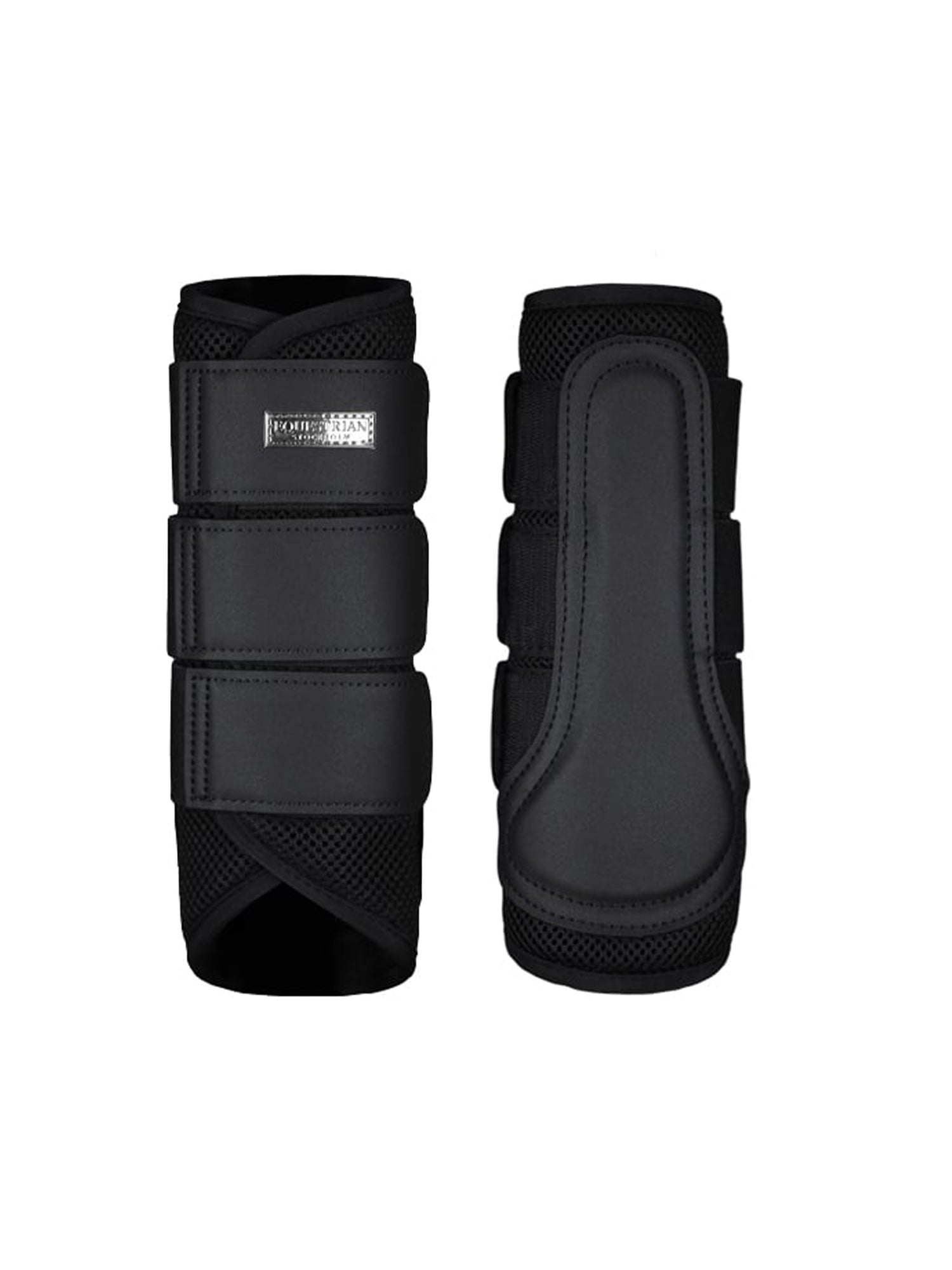
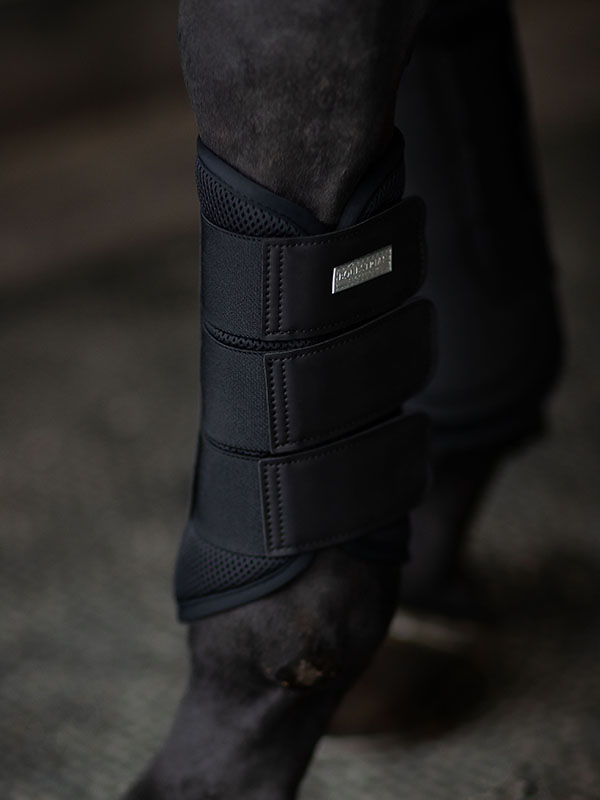
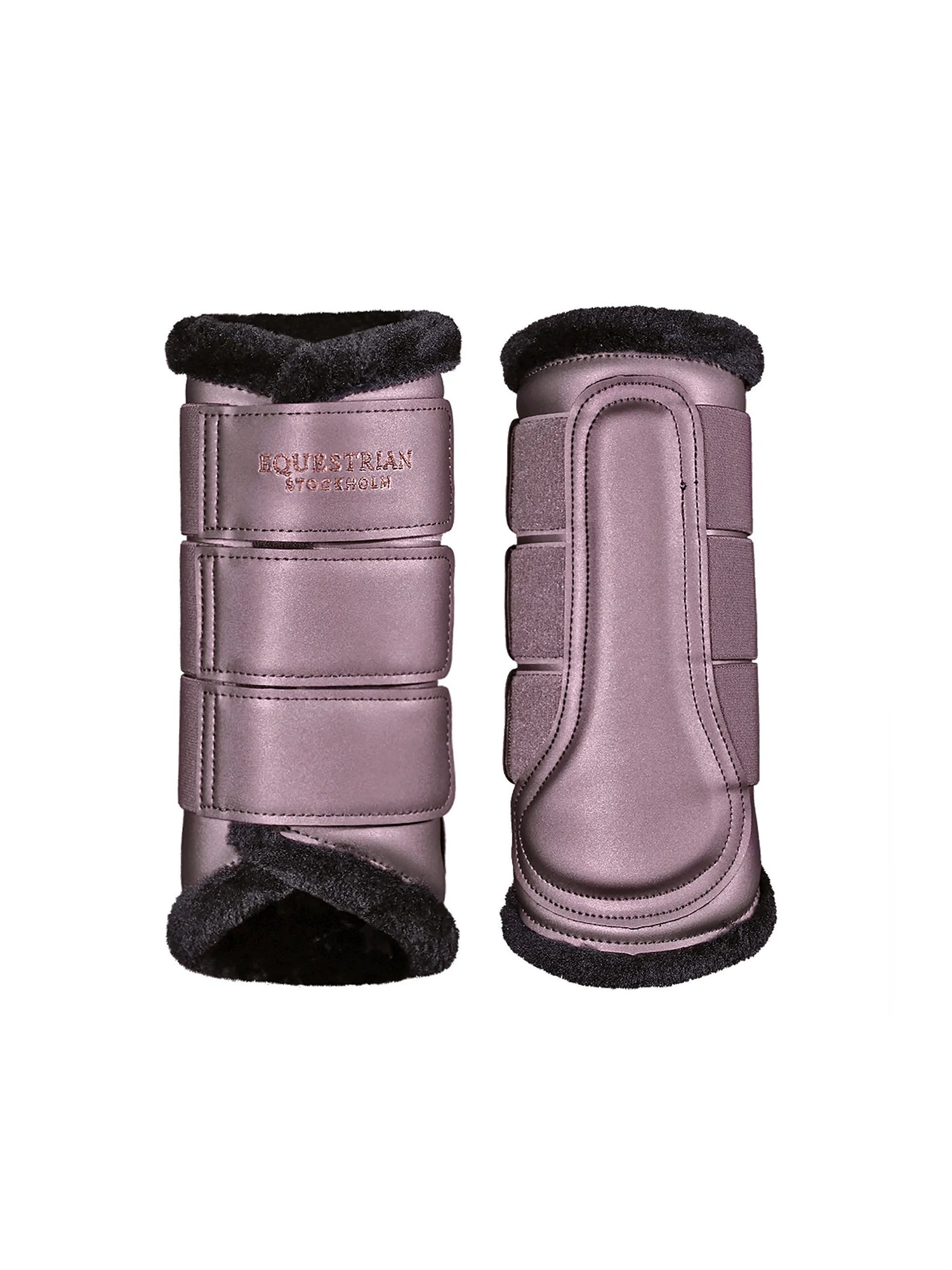
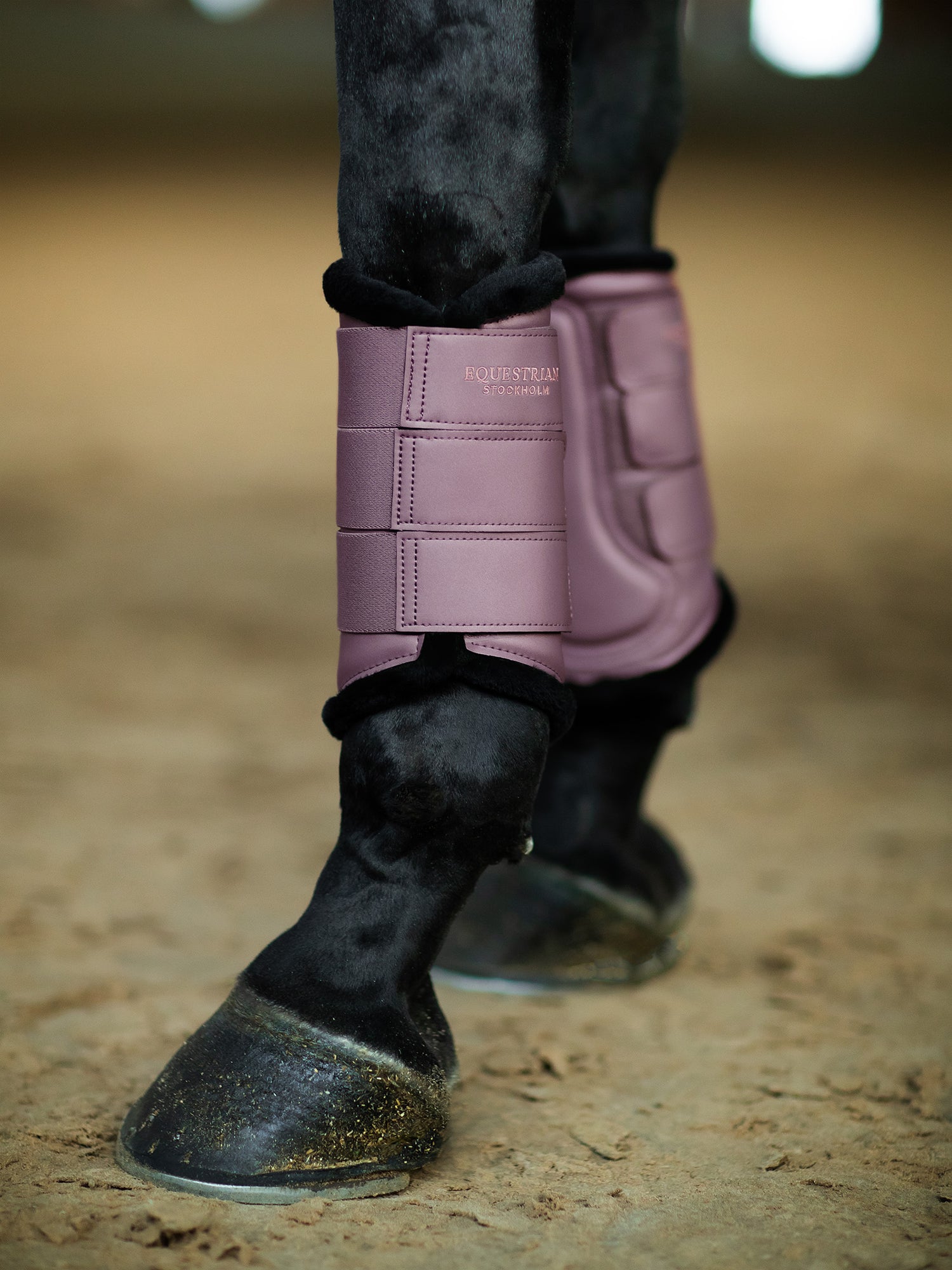
Brushing boots are among the most versatile types of horse leg protection. They are designed to help protect the lower legs against brushing, which occurs when one leg makes contact with another during movement.
Brushing boots typically wrap around the cannon bone and provide additional coverage along the inside of the leg, where accidental strikes can occur.
They are commonly used for:
-
Dressage and flatwork
-
Everyday schooling
-
Hacking and trail riding
-
Lunging and groundwork
-
Horses that frequently brush their legs together
When choosing brushing boots, look for a comfortable anatomical fit, secure fastenings, and materials suited to your horse's workload.
Equestrian Stockholm offers a selection of brushing boots designed to combine practical leg protection with an elegant appearance.
Discover our brushing boots for horses. 
2. Bell Boots – Protection for Hooves and Heels
Bell boots, also known as overreach boots, are designed to protect the hoof, heel bulbs, and coronet band.
An overreach injury can occur when a horse's hind hoof strikes the back of a front hoof or heel. Bell boots provide a protective barrier that can help reduce the severity of these accidental contacts.
Bell boots are particularly useful for:
-
Horses prone to overreaching
-
Jumping and active training
-
Horses that frequently pull off front shoes
-
Turnout when additional hoof protection is appropriate
Bell boots should fit securely around the pastern while allowing natural movement. They should cover the heel area without constantly dragging on the ground or causing rubbing.
For horses with sensitive skin, consider the softness of the edges and check the fit regularly.
Explore our bell boots collection. 
3. Tendon Boots – Protection for Show Jumping
Tendon boots are commonly used in show jumping to protect the back and sides of the horse's front lower legs from accidental strikes.
Many tendon boots feature a shaped protective shell combined with a cushioned lining to help absorb impact.
Unlike traditional brushing boots, many jumping tendon boots have an open-front design that leaves the front of the cannon bone less covered.
When should you use tendon boots?
Tendon boots are commonly chosen for:
-
Show jumping training
-
Jumping competitions
-
Pole exercises
-
Horses that risk striking their front legs with their hind hooves
When selecting tendon boots, prioritize proper fit, suitable protection, and freedom of movement. Always check the applicable competition regulations, as certain boot designs and fastening systems may be restricted.

4. Fetlock Boots – Protection for the Hind Legs
Fetlock boots are designed to protect the fetlock area, particularly on the hind legs.
They are frequently used together with front tendon boots during jumping.
The main purpose of fetlock boots is to provide targeted protection against accidental impacts while allowing the horse to move naturally.
Unlike longer brushing boots, fetlock boots generally cover a smaller area around the fetlock joint.
Explore our tendon and fetlock boots. 
5. Mesh Horse Boots – Lightweight and Breathable Protection
Mesh horse boots are an excellent option for riders looking for lightweight, breathable leg protection.
During exercise, heat and moisture can build up underneath protective boots. Breathable materials can help improve airflow, making mesh designs particularly attractive for everyday training and warmer conditions.
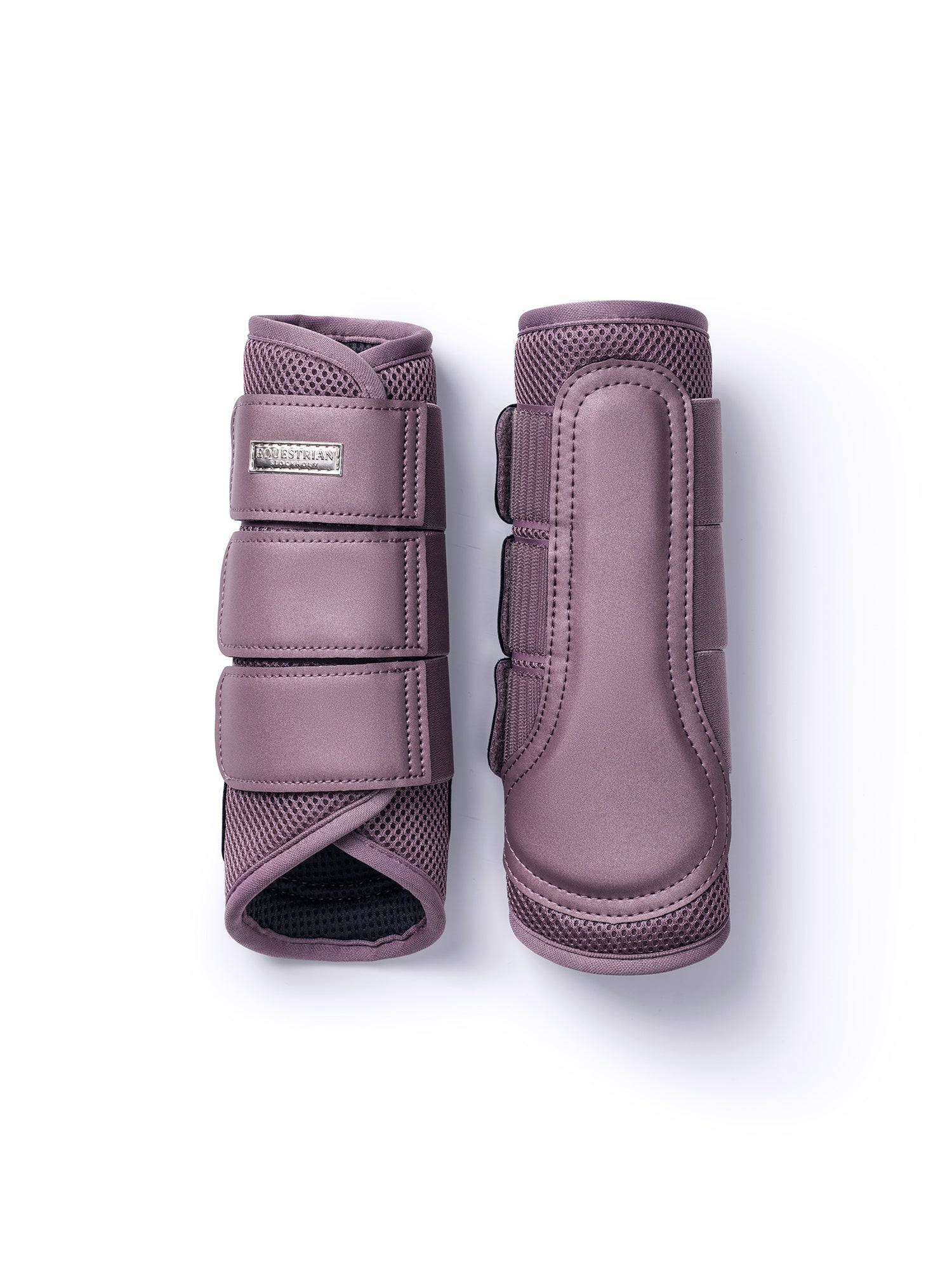
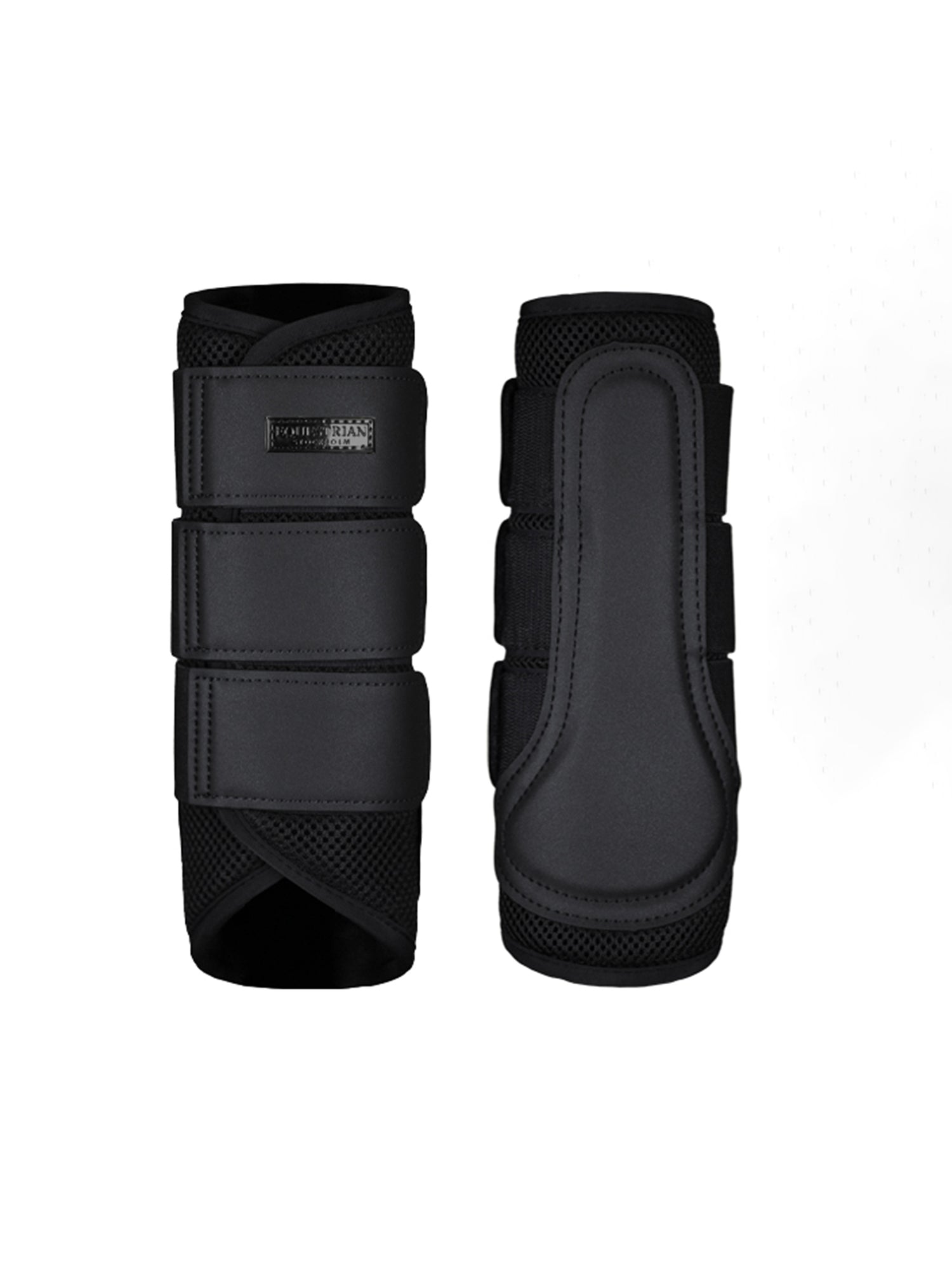
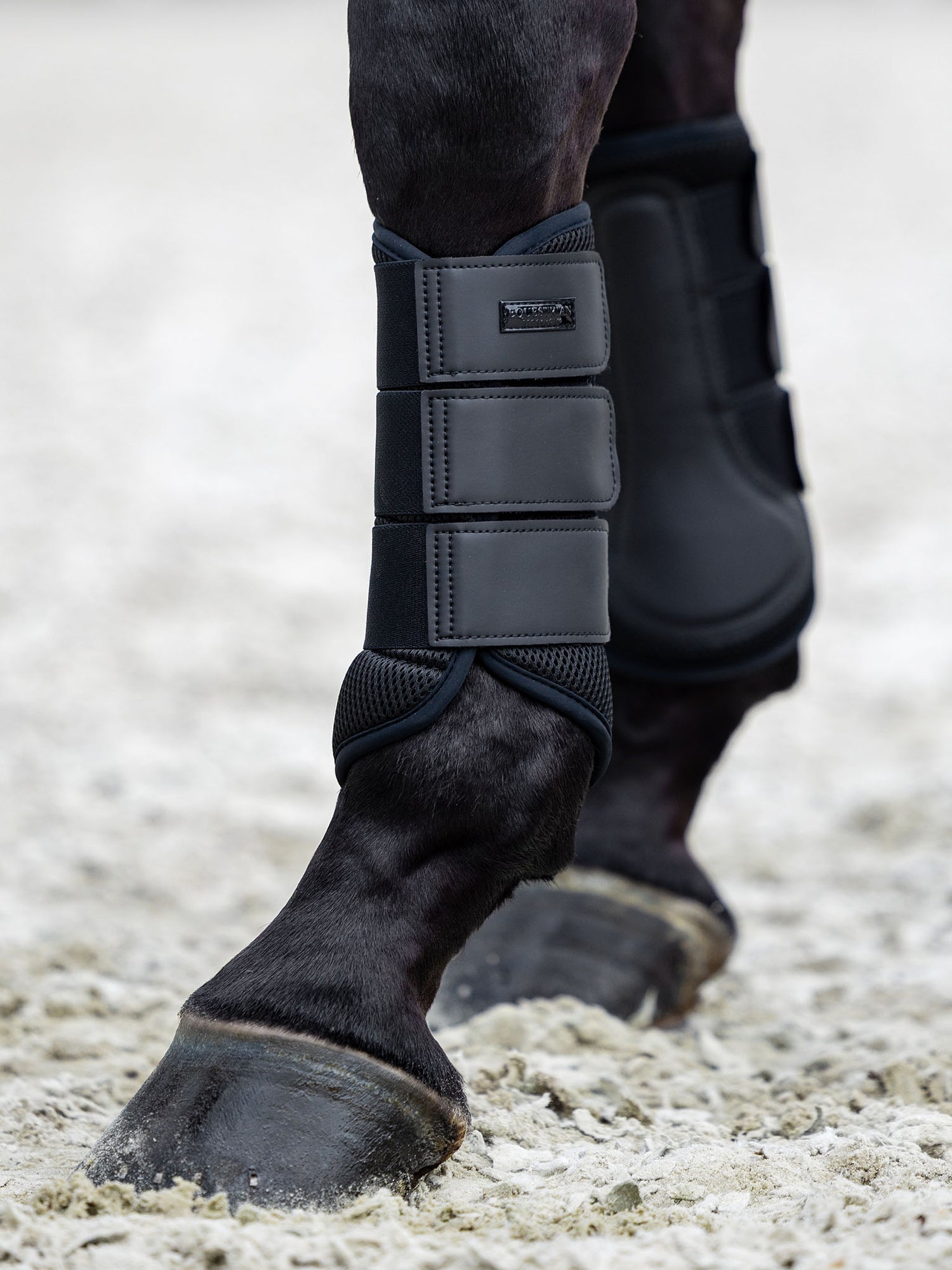
Mesh brushing boots combine the coverage of traditional brushing boots with a lighter construction.
Benefits of mesh horse boots include:
-
Breathable materials that promote airflow
-
Lightweight construction
-
Comfortable flexibility
-
Protection against everyday brushing impacts
-
Practical designs for regular training
Equestrian Stockholm's Mesh Brushing Boots feature breathable 3D mesh, a quick-drying bamboo-blend lining, and a reinforced protective strike panel.
They are designed for riders seeking a balance between everyday protection, comfort, and refined style.
Discover our mesh horse boots.
6. Polo Wraps – A Traditional Alternative
Polo wraps, sometimes called fleece bandages, are soft fabric wraps used around the horse's lower legs during riding.
They are particularly popular in dressage and flatwork.
Polo wraps can offer a layer of protection against minor brushing and contact, but they do not provide the same structured impact protection as many purpose-designed horse boots.
Correct application is essential. Wraps that are too tight, uneven, or loose may cause discomfort or injury.
They should be applied carefully, kept clean, and removed after exercise.
Explore our polo wraps. 
7. Travel Boots – Protection During Transportation
Travel boots are designed to protect a horse's legs during loading, unloading, and transportation.
They generally cover a larger area than riding boots, often extending from above the knee or hock toward the hoof.
Their purpose is to help protect against accidental knocks, stepping injuries, and contact with the trailer or horsebox.
Travel boots should fit securely without slipping, and horses should be introduced to them gradually before travelling.
Horse Boots Comparison: Which Type Is Right for Your Horse?
|
Type of horse boot |
Main protection |
Common use |
|
Brushing boots |
Lower legs and brushing impacts |
Dressage, flatwork, everyday riding |
|
Bell boots |
Hooves, heels, coronet band |
Overreach protection, riding, turnout |
|
Tendon boots |
Front lower legs |
Show jumping |
|
Fetlock boots |
Hind fetlock area |
Show jumping |
|
Mesh boots |
Lower legs with breathable coverage |
Everyday training, warmer conditions |
|
Polo wraps |
Light contact protection |
Dressage and flatwork |
|
Travel boots |
Extended leg and hoof coverage |
Transportation |
The best horse boots depend on the type of protection your horse needs, rather than simply the riding discipline.
How to Choose the Right Horse Boots
Choosing horse boots involves more than selecting a style or color. Proper protection should balance fit, comfort, materials, and intended use.
Consider Your Riding Discipline
For dressage and flatwork, brushing boots or breathable mesh boots are popular options.
For show jumping, tendon boots and fetlock boots are commonly used, sometimes combined with bell boots.
For everyday hacking, lightweight brushing boots may provide useful protection for horses that are prone to brushing.
Choose Breathable Materials
Breathability is an important consideration, particularly during longer training sessions or warm weather.
Protective boots can trap heat around the lower legs. Lightweight designs and ventilated materials may help manage heat buildup, although no boot can completely prevent it.
Prioritize Fit and Comfort
Horse boots should sit securely without restricting movement or placing excessive pressure on the leg.
Poorly fitted boots can slip, rotate, rub, or create pressure points.
Always check the manufacturer's size guide and consider your horse's leg measurements rather than relying solely on labels such as pony, cob, or full.
Match Protection to Your Horse's Needs
A horse that frequently overreaches may benefit from bell boots, while one that brushes its legs together may need brushing boots.
For jumping, more targeted protection may be appropriate.
If your horse does not require additional protection, boots are not automatically necessary.
How Should Horse Boots Fit?
Correct fit is essential for both comfort and effective protection.
Follow these steps when fitting horse boots:
-
Choose the correct size. Measure your horse's legs and consult the product's specific size guide.
-
Position the boots correctly. Make sure the protective areas align with the intended parts of the leg.
-
Fasten securely. Straps should hold the boots in place without excessive pressure.
-
Check freedom of movement. Your horse should be able to walk, trot, and canter comfortably.
-
Inspect after riding. Look for rubbing, pressure marks, excessive heat, or signs of discomfort.
A well-fitted boot should remain in position throughout exercise without twisting or sliding.
If your horse is between sizes, follow the recommendations for the specific product.
Should Horses Wear Boots on Front or Hind Legs?
Horse boots can be worn on the front legs, hind legs, or all four legs, depending on the horse's needs.
Front legs are often fitted with tendon boots during jumping, while hind legs may wear fetlock boots.
For flatwork and everyday riding, brushing boots may be used on either the front or hind legs.
Bell boots are most commonly used on the front hooves to help protect against overreaching.
There is no universal rule that every horse needs boots on all four legs. Protection should be selected according to the horse's movement and individual risk of injury.
Are Horse Boots Necessary for Dressage?
Not all dressage horses need protective boots, but brushing boots and polo wraps are frequently used during training.
Some horses may benefit from protection against accidental leg contact during lateral movements, transitions, or energetic schooling sessions.
Lightweight and breathable designs are particularly appealing for everyday dressage work.
During competitions, rules concerning boots and bandages vary between organizations and classes. Always check the regulations before entering the arena.
Can Horse Boots Cause Overheating?
Horse boots can increase the temperature of the tissues underneath them, particularly during intense exercise or in warm conditions.
This is one reason why breathable materials, correct fit, and appropriate usage are important.
To help manage heat:
-
Choose breathable designs when suitable.
-
Avoid unnecessarily long periods of boot use.
-
Remove boots promptly after exercise.
-
Keep boots clean and dry.
-
Check your horse's legs for unusual warmth or irritation.
Mesh boots may improve ventilation compared with less breathable constructions, but they do not eliminate heat buildup entirely.
How to Clean and Care for Horse Boots
Regular cleaning helps maintain the condition of your horse boots and reduces the buildup of dirt, sweat, and sand.
After riding, remove loose dirt and inspect the boots for damage.
For washable boots, follow the manufacturer's care instructions. Close hook-and-loop fastenings before washing and allow the boots to dry thoroughly before the next use.
Avoid using damaged boots with broken straps, sharp edges, or worn protective panels.
Proper maintenance helps preserve both comfort and functionality.
Frequently Asked Questions About Horse Boots
What are horse boots used for?
Horse boots are used to help protect a horse's legs and hooves from accidental impacts, brushing, overreaching, and other types of contact during riding, training, or transportation.
What is the difference between brushing boots and tendon boots?
Brushing boots generally provide broader coverage around the lower leg and are commonly used for everyday riding. Tendon boots are designed for more targeted protection, especially during show jumping.
What is the difference between bell boots and brushing boots?
Bell boots protect the hoof, heel bulbs, and coronet band, particularly against overreach injuries. Brushing boots protect the lower legs from accidental strikes and brushing.
Can horses wear boots every day?
Horses can wear appropriately fitted boots during regular training when protection is needed. However, boots should be removed after exercise, cleaned regularly, and checked for rubbing or excessive heat.
What are the best horse boots for dressage?
Brushing boots and breathable mesh boots are popular choices for dressage training because they offer lower-leg protection while allowing comfortable movement. The best choice depends on the individual horse.
What are the best horse boots for jumping?
Tendon boots and fetlock boots are commonly used for show jumping. Bell boots may also be beneficial for horses prone to overreaching.
Are mesh horse boots better than traditional boots?
Mesh boots can offer advantages in breathability and weight, particularly during warmer weather. However, the most suitable design depends on the level of impact protection required, the fit, and the intended activity.
How tight should horse boots be?
Horse boots should fit securely without restricting circulation, creating pressure points, or sliding during movement. Always follow the manufacturer's fitting instructions.
Can you leave horse boots on overnight?
Riding boots are generally not intended to be left on overnight. Extended use can increase the risk of rubbing, trapped moisture, and heat buildup. Any medical or therapeutic boot should be used according to veterinary or manufacturer guidance.
Do horses need boots for trail riding?
Some horses benefit from brushing or bell boots when trail riding, especially if they are prone to striking their legs or overreaching. Other horses may not require additional protection.
Discover Horse Boots by Equestrian Stockholm
Choosing the right horse boots is about finding the balance between protection, comfort, fit, and functionality.
Whether you are looking for breathable mesh boots for everyday schooling, elegant brushing boots for dressage, or bell boots to protect your horse's hooves, the right equipment can help you ride with confidence.
At Equestrian Stockholm, we combine practical equestrian design with a refined Scandinavian aesthetic, creating horse boots that complement both your horse's needs and your personal style.
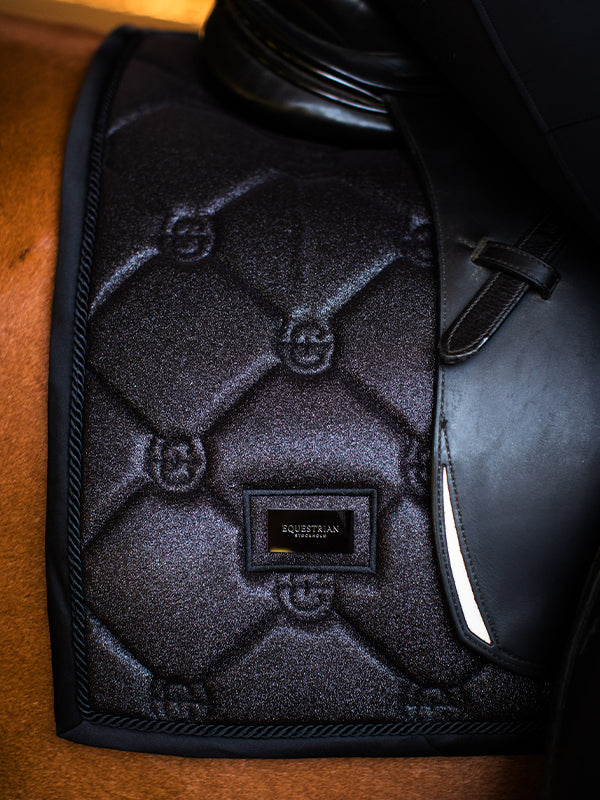
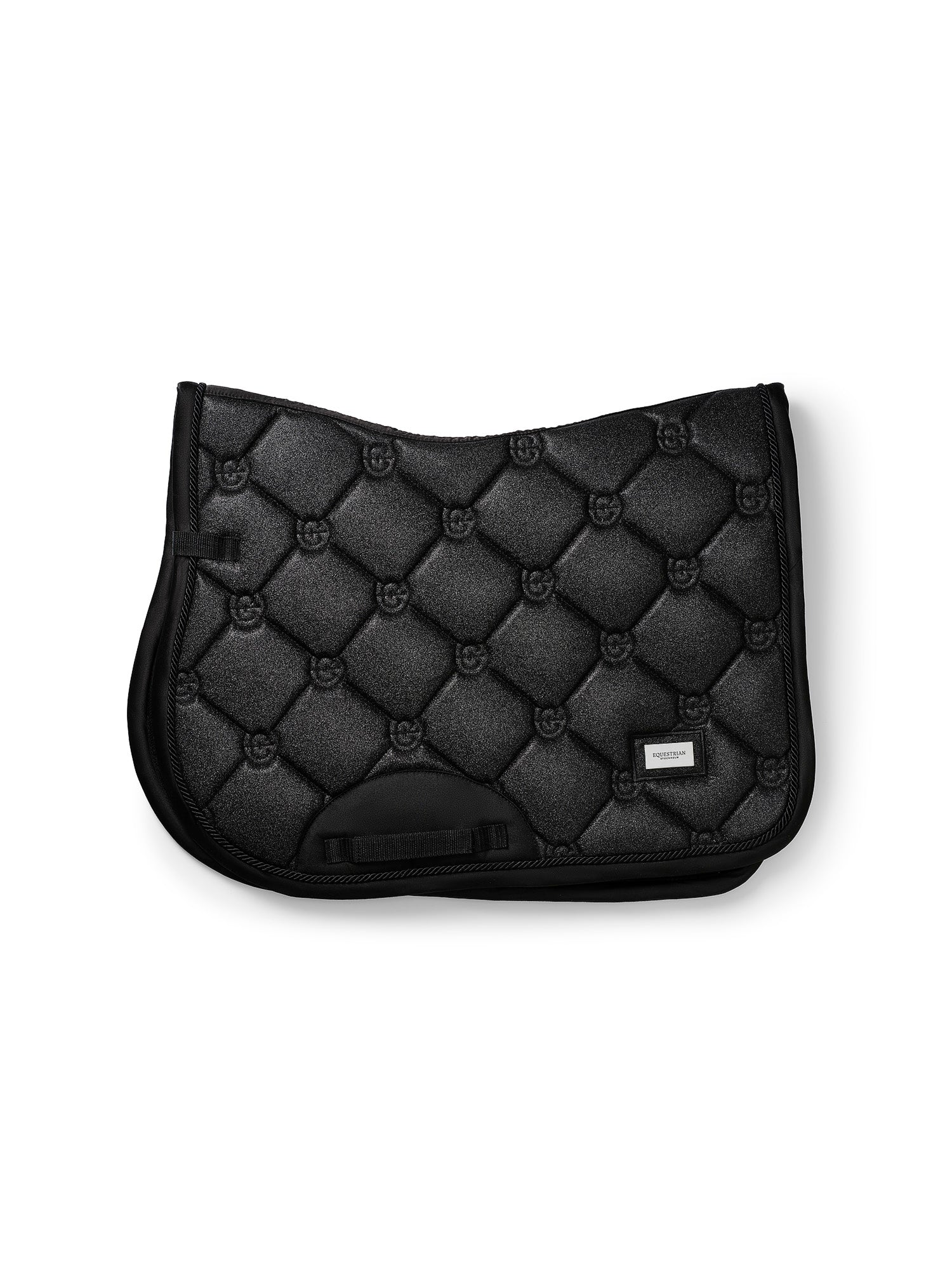
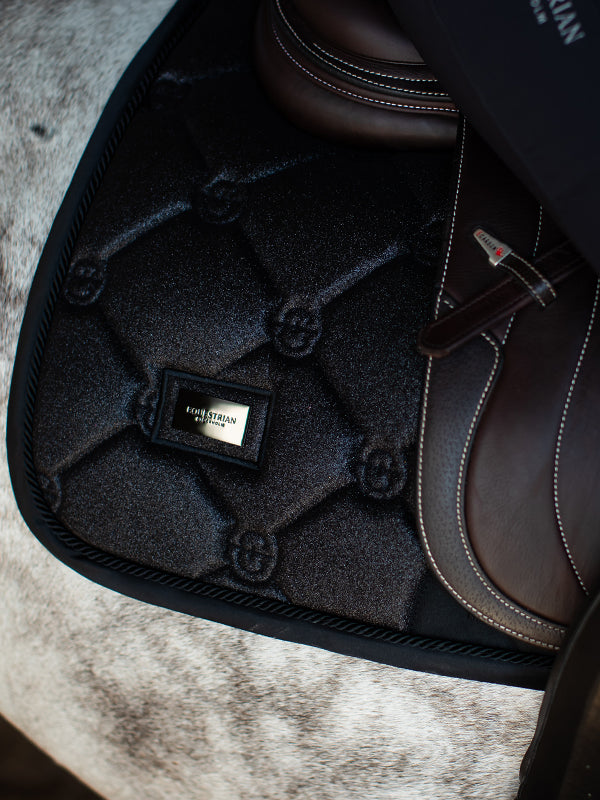
Complete your look with matching saddle pads and explore our full selection of equestrian essentials.
Discover comfort, protection, and timeless equestrian style with Equestrian Stockholm.