


Types, Sizes, Weights & When to Use Them
Choosing the right horse blanket is essential for keeping your horse comfortable, protected and ready for every season. Whether you're looking for a warm winter blanket, a breathable fleece cooler or a lightweight exercise sheet, understanding the different types of horse blankets will help you make the right choice.
A horse blanket, also known as a horse rug, is designed to cover and protect a horse's body from cold, wind, rain or insects, depending on its purpose. Some blankets also help manage moisture after exercise, while others provide additional comfort during transport or competitions.
In this complete horse blanket guide, we'll explain the different types, when to use them, how to choose the right weight and how to find the perfect fit for your horse.
Discover our horse blankets at Equestrian Stockholm, designed to combine functionality, comfort and timeless equestrian style.
What Is a Horse Blanket?
A horse blanket is a protective covering that typically extends over the horse's back, sides and hindquarters, with some designs also protecting the chest and neck.
Horse blankets serve several purposes depending on the weather, the horse's individual needs and its activity level.
They can help:
-
Protect horses from cold temperatures, rain and wind.
-
Provide additional warmth for clipped or older horses.
-
Wick away moisture after riding or bathing.
-
Protect against flies and insects during summer.
-
Keep horses clean and comfortable during transport.
-
Provide additional protection during warm-ups and cool-downs.
Not every horse needs a blanket. Horses naturally regulate their body temperature, and many healthy horses with a full winter coat can remain comfortable in cold weather when they have adequate shelter, forage and appropriate living conditions.
The key is choosing a blanket based on your horse's actual needs rather than temperature alone.
Types of Horse Blankets: Which One Does Your Horse Need?
There are several different types of horse blankets, each designed for specific situations.
Understanding the differences makes it easier to choose the right blanket for your horse throughout the year.
1. Fleece Horse Blankets
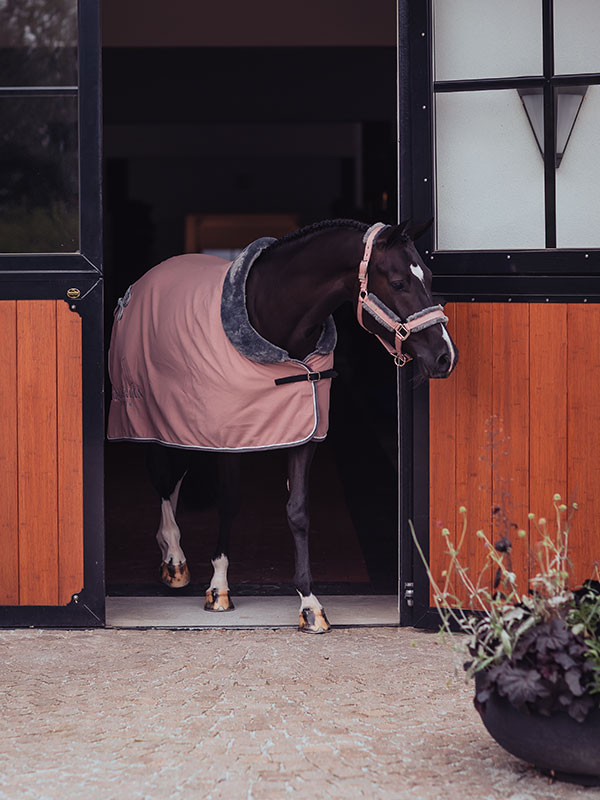
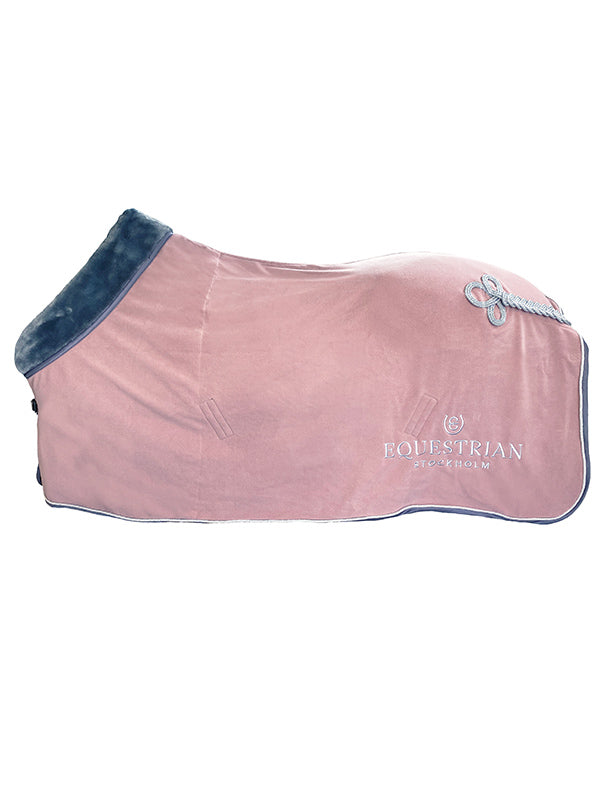
A fleece horse blanket is a versatile option commonly used after training, during transport and at competitions.
Fleece materials help move moisture away from the horse's coat, supporting gradual drying after exercise.
Fleece blankets are especially useful when:
-
Your horse is sweaty after a training session.
-
You want to help your horse dry after bathing.
-
Your horse needs a lightweight covering during transport.
-
You want a comfortable and elegant blanket for competitions.
At Equestrian Stockholm, our fleece blankets combine practical functionality with refined design, making them suitable for both everyday stable routines and competition days.
Explore our fleece blankets and horse rugs.
2. Cooler Blankets
A horse cooler blanket is specifically designed to help manage moisture after exercise or bathing.
After an intense training session, a horse's coat may remain damp from sweat. A breathable cooler can help transport moisture away from the coat while allowing the horse to dry gradually.
Cooler blankets are particularly useful after dressage training, show jumping sessions and competitions.
Fleece vs. cooler blanket: Many fleece blankets function as coolers, but not every fleece blanket has the same moisture-management properties. Always check the fabric and intended use.
3. Stable Blankets
A stable blanket is designed primarily for indoor use.
Stable blankets provide additional insulation for horses that need extra warmth while resting in a stable or during transport.
They are available in different weights, depending on the horse's coat, clipping status and environment.
Unlike waterproof turnout blankets, most stable blankets are not designed for prolonged exposure to rain or wet outdoor conditions.
4. Turnout Blankets
A turnout blanket is designed for horses spending time outdoors.
These blankets typically feature durable outer materials, weather protection and secure fastenings that allow the horse to move comfortably in the pasture.
Turnout blankets are commonly available in three categories:
-
Lightweight turnout blankets: For milder conditions when limited insulation is needed.
-
Medium-weight turnout blankets: For cooler conditions and horses requiring additional warmth.
-
Heavyweight turnout blankets: For colder conditions, particularly for clipped horses or horses with reduced natural insulation.
When choosing a turnout blanket, look for waterproof materials, breathability and a fit that allows natural movement.
5. Rain Sheets
A horse rain sheet is a lightweight waterproof covering designed to protect against rain without adding substantial insulation.
Rain sheets are especially useful during mild, wet weather when a heavier blanket could make the horse too warm.
A rain sheet should be waterproof rather than merely water-resistant when intended for prolonged exposure to rain.
6. Exercise Blankets and Quarter Sheets
An exercise blanket, also called an exercise sheet or quarter sheet, provides additional coverage during riding.
These blankets are designed to fit around the saddle and protect the horse's hindquarters from cold air and wind.
Exercise blankets are particularly useful for:
-
Warming up before training.
-
Cooling down after exercise.
-
Riding in colder weather.
-
Horses that are clipped during winter.
They are popular among dressage riders and riders who train throughout the colder months.
Discover exercise blankets and quarter sheets from Equestrian Stockholm.
7. Winter Horse Blankets
A winter horse blanket provides additional insulation during cold weather.
Winter blankets often contain synthetic filling, measured in grams, which determines the amount of insulation.
Clipped horses, senior horses and horses with limited winter coats may benefit from additional protection in cold conditions.
However, a heavier blanket is not automatically better. Excessive insulation can cause overheating and discomfort.
8. Fly Sheets and Eczema Blankets
A fly sheet is a lightweight, breathable blanket designed to protect horses from flies and other biting insects.
Fly sheets are commonly used during spring and summer and are often made from breathable mesh materials.
An eczema blanket, sometimes called a sweet itch rug, generally offers more extensive coverage and finer mesh to reduce exposure to insects associated with sweet itch.
Some designs also offer UV protection.
Horse Blanket Weight Guide: Lightweight, Medium or Heavyweight?
Horse blanket weights are typically described by the amount of insulation they contain, measured in grams.
The higher the fill weight, the greater the potential insulation.
|
Blanket weight |
Typical filling |
Common use |
|
No-fill sheet |
0g |
Rain protection or lightweight coverage |
|
Lightweight |
50–100g |
Mild to cool conditions |
|
Medium-weight |
150–250g |
Colder conditions |
|
Heavyweight |
300g+ |
Very cold conditions or horses needing extra insulation |
These are general weight categories, not fixed temperature recommendations. The right choice depends on the individual horse, its coat, shelter, weather exposure and other factors.
A clipped horse may require more insulation than an unclipped horse in the same conditions.
Important: Blanket weight alone does not determine warmth. The outer material, lining, wind exposure and moisture conditions also affect comfort.
When Should You Put a Blanket on a Horse?
One of the most common questions among horse owners is: When is it cold enough to blanket a horse?
There is no single temperature that applies to every horse.
Several factors influence whether a horse needs a blanket:
Clipping: A clipped horse has less natural insulation and may need additional warmth.
Age and health: Older horses, underweight horses and horses with certain health conditions may have difficulty maintaining body temperature.
Weather: Wind, rain and prolonged wet conditions can increase heat loss.
Shelter: Horses with access to suitable shelter may cope with cold weather differently from horses exposed to wind and precipitation.
Natural coat: Horses with a thick winter coat often tolerate colder conditions better than horses with shorter coats.
Individual comfort: Monitor your horse's condition, behavior and body temperature rather than relying on a blanket chart alone.
Check beneath the blanket regularly, especially around the chest and shoulders. Sweating or excessive warmth may indicate that the blanket is too heavy.
How to Measure a Horse for a Blanket
Choosing the correct horse blanket size is important for comfort, freedom of movement and preventing rubbing.
Horse blanket sizing varies between manufacturers and countries, so always check the specific brand's size guide.
Step 1: Measure Your Horse
For US-style blanket sizing, use a flexible measuring tape and measure from the center of the horse's chest, around the side of the body, to the center of the tail.
For many European blanket sizing systems, the back length is measured from the withers to the base of the tail.
These measurements are not interchangeable, so check which system the manufacturer uses.
Step 2: Check the Size Guide
Horse blankets may be labeled using numerical measurements or size categories such as Pony, Cob, Full and X-Full.
At Equestrian Stockholm, several fleece blankets are offered in European sizes such as 115, 125, 135, 145 and 155, while selected exercise blankets use Pony, Cob, Full and X-Full sizing.
Step 3: Check the Fit
A correctly fitted horse blanket should:
-
Sit comfortably across the chest and shoulders.
-
Allow the horse to walk, graze and move naturally.
-
Provide sufficient coverage without hanging too low.
-
Avoid excessive pressure around the withers.
-
Remain secure without rubbing or shifting.
A blanket that is too tight can cause discomfort and rubbing, while one that is too loose may slip or create safety risks.
How to Choose the Best Horse Blanket
The best horse blanket is not necessarily the thickest or most expensive. It is the one that matches your horse's individual needs.
Consider these five factors when choosing:
1. Purpose: Are you looking for warmth, rain protection, moisture management or coverage during exercise?
2. Material: Fleece, wool, mesh and waterproof technical fabrics serve different functions.
3. Fit: A well-fitting blanket helps prevent rubbing and allows comfortable movement.
4. Durability: Quality materials and secure fastenings are especially important for regular use.
5. Design: A beautiful horse blanket can complement your equestrian equipment while still providing practical functionality.
At Equestrian Stockholm, we believe horse equipment should combine thoughtful design, comfort and performance.
Our collection includes elegant fleece blankets, wool blankets, cooler rugs and exercise sheets designed for different moments in your horse's daily routine.
How to Care for Your Horse Blanket
Proper care helps extend the life of your horse blanket and maintain its functionality.
Remove loose dirt and horsehair regularly. Follow the manufacturer's washing instructions, as different fabrics and technical materials require different care.
Always allow blankets to dry thoroughly before storing them.
Check fastenings, seams and straps for wear, and inspect the horse's skin regularly for signs of rubbing or irritation.
For waterproof blankets, follow the manufacturer's guidance on cleaning and maintaining water resistance.
Frequently Asked Questions About Horse Blankets
Do horses need blankets in winter?
Not all horses need blankets in winter. Healthy horses with a thick winter coat, sufficient forage and appropriate shelter can often tolerate cold temperatures well. Clipped, older or underweight horses may require additional insulation.
What is the difference between a horse blanket and a horse rug?
Horse blanket and horse rug generally refer to the same type of equestrian equipment. "Horse blanket" is more commonly used in the United States, while "horse rug" is widely used in the United Kingdom and other English-speaking equestrian markets.
What is the difference between a turnout blanket and a stable blanket?
Turnout blankets are designed for outdoor use and typically feature waterproof, durable materials. Stable blankets are primarily designed for indoor use and generally do not provide the same weather protection.
Can a horse wear a fleece blanket overnight?
A fleece blanket may be suitable for some horses in appropriate indoor conditions, provided it is designed for that use, fits correctly and stays securely in place. Fleece blankets should not replace waterproof turnout protection in wet outdoor conditions.
How do I know if my horse blanket is too warm?
Check underneath the blanket for excessive warmth or sweating. Monitor your horse's comfort and adjust the blanket as weather conditions change.
What size horse blanket does my horse need?
Measure your horse according to the manufacturer's instructions and compare the measurement with the brand's size chart. Blanket sizes can vary between manufacturers and sizing systems.
Can you put a blanket on a wet horse?
A moisture-wicking cooler can help a damp horse dry after exercise. However, placing a non-breathable or heavily insulated blanket over a wet coat may trap moisture. Choose the appropriate material and monitor the horse until dry.
What is the best blanket for a horse after riding?
A breathable fleece cooler or dedicated cooler blanket is often a good choice after riding because it helps move moisture away from the coat during the cooling-down process.
Find Your Perfect Horse Blanket at Equestrian Stockholm
Whether you're preparing for a competition, caring for your horse after training or looking for an elegant fleece blanket, choosing the right horse blanket makes a difference.
At Equestrian Stockholm, our horse blankets are designed with attention to quality, comfort and distinctive equestrian style.
From luxurious fleece blankets to practical exercise sheets, our collection brings together functionality and timeless design.
Discover your next horse blanket.