Highlights About Gray Horses A changing coatGrey horses are known for their distinctive appearance. They…
Highlights About Gray Horses A changing coatGrey horses are known for their distinctive appearance. They are born with a darker base color, such as bay, chestnut, or black, and gradually lighten over the years – from darker shades to dapple…
Highlights About Gray Horses
A changing coat Grey horses are known for their distinctive appearance. They are born with a darker base color, such as bay, chestnut, or black, and gradually lighten over the years – from darker shades to dapple grey and eventually almost completely white. This transformation gives each individual a unique look over time.
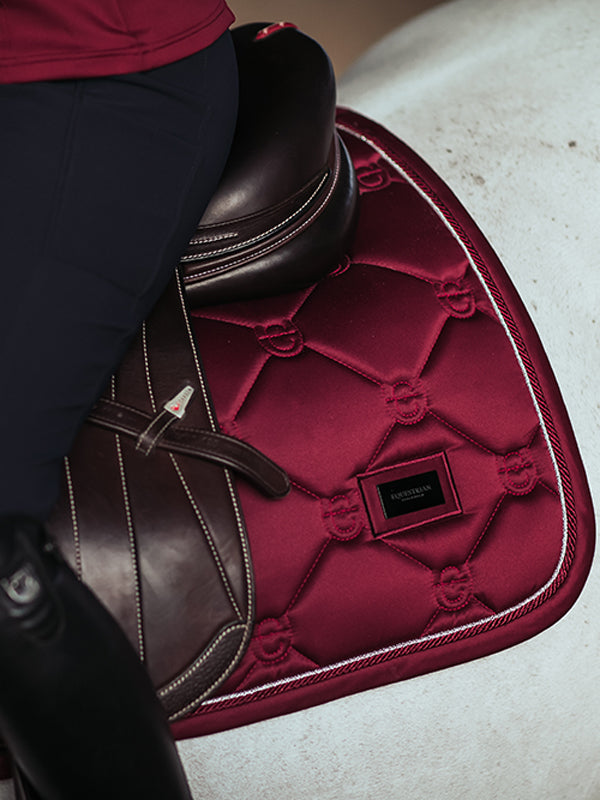
Seen in the arena Grey horses are common in both show jumping and dressage. Their light coat makes them highly visible in the arena and creates a clean, elegant overall impression when horse and tack are well groomed.
Breeds with many greys Grey is found in several breeds, such as Lipizzaners, Arabians, Andalusians, and Thoroughbreds. Lipizzaners, in particular, are strongly associated with the grey color and with classical riding traditions.
A color that evolves Grey is a color, not a breed. The horse is born with a base color such as black, bay, or chestnut, but carries the grey gene that causes the coat to gradually lighten. This creates a color journey where each stage is unique.
Symbolism and expression Throughout history, grey horses have often been associated with calmness, wisdom, and nobility. Their light color and classic appearance have made them recurring motifs in art, literature, and historical imagery.
Valg af en valgmulighed resulterer i en fuld sideopdatering.